Quotation Management: Best Practices for Small Business

Sakshi Bansal
Sakshi Bansal
23rd January 2026 - 7 min read

For a small business, a quotation is usually the first official document of contact with the customer. It is not merely the price on a piece of paper, it is in-fact the first serious business conversation. QuoteMan understands the value of each potential customer. A well-created quote builds trust, shows professionalism, and increases the chances of closing the deal many folds. A poorly created quotation on the other hand can lead to confusion, lost revenue and much worse, a lost client.


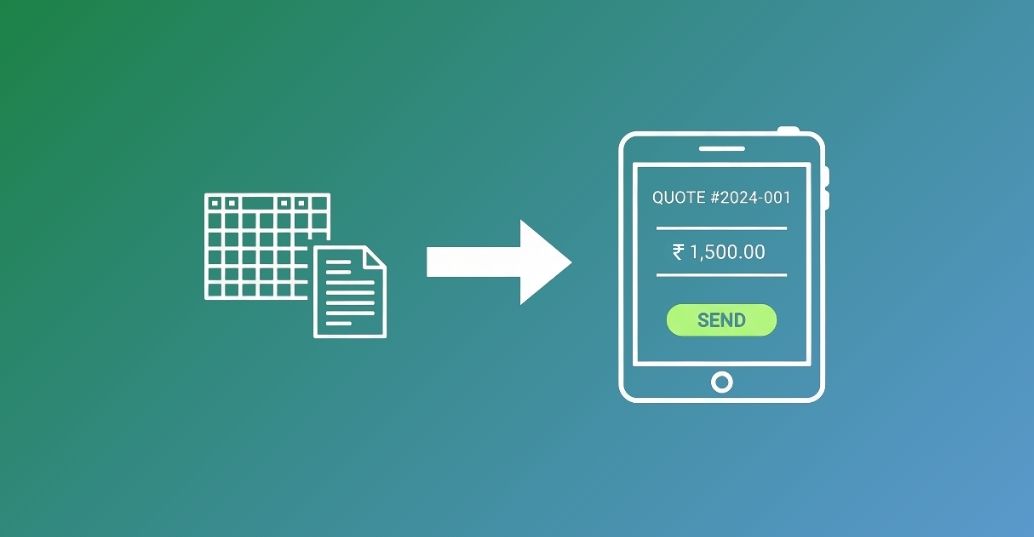
Despite this knowledge, many small ventures rely on spreadsheets or word format, WhatsApp messages, or even handwritten notes for creating their quotations. These techniques may be helpful initially but can become increasingly confusing as the business and volume of quotation grows.

There are some practical practices for quotation management for small ventures that are realistic and easy to implement.

1. Create Clear and Transparent Pricing

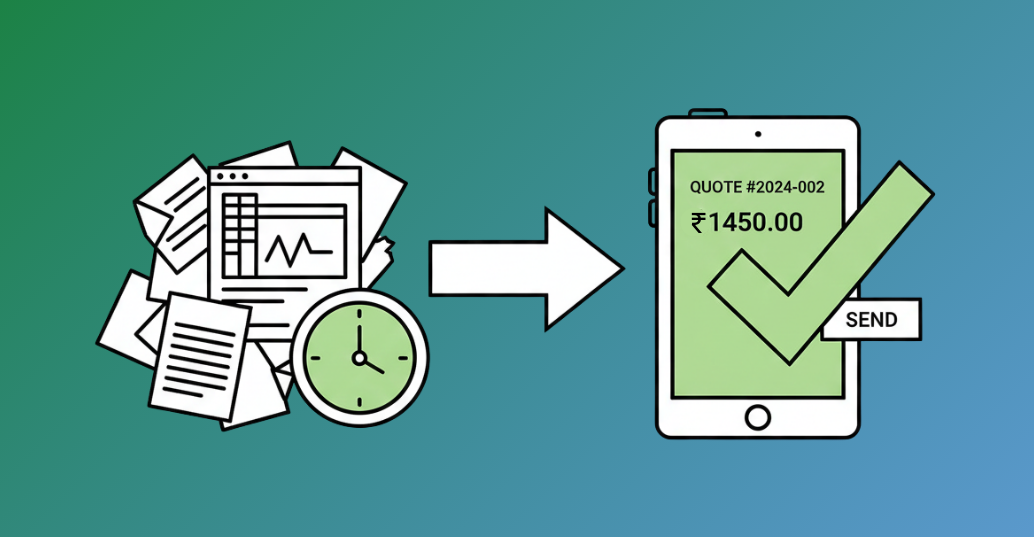
Vague pricing is a silent deal-breaker. Customers want to be able to understand clearly what they are paying for. If they don’t understand, they cannot enter a deal with certainty.

blog-img-1

Best way to avoid such ambiguity is to:

  • a) Break costs into clear line items.
  • b) Avoid lump-sum pricing.
  • c) Avoid hidden charges at all costs. Make all costs visible.
  • d) Provide clear item specifications & description with images and technical specification and graphs.
  • e) Clearly mention the terms and conditions such as:

  • (i) Taxes,
  • (ii) Discounts,
  • (iii) Delivery charges,
  • (iv) Installation charges,
  • (v) Product warranty & guarantee,
    • (vi) Maintenance charges,
  • (vii) Renewal charges,
  • (viii) Packing & forwarding charges,
  • (ix) Quotation validity,
  • (x) Delivery period,
  • (xi) And others that may need to be added

  • With a clear pricing, building trust gets easier. Confusing quotes leave your customer in doubt and mistrust. One should also mention the contact details in the quote to give way for future communication.

    blog-img-2

    2. Standardizing your Quotation Format

    A common mistake by businesses is sending different looking quotes frequently. Changed layout, format, font style and even the mode can make your business look unprofessional. All the quotations sent out should have your business logo, company name, GSTIN and contact details, along with client’s business name, contact person name, address, list of products/ services, validity period, payment terms, taxes, discounts and total amount. Everything should be mentioned from the get go.

    A standard quotation format helps in making your business look:

    • a) Professional and credible.
    • b) Consistent across all customer interactions.
    • c) Like you are avoiding missing even the smallest details.

    3. Setting a Defined Approval Process

    It is not uncommon in small businesses for quotations to be created by different people. This often leads to pricing errors, incorrect discounts or poor commitments.

    It is best for a company to pre-set:

    • a) Quotation format
    • b) Set structure of item details.
    • c) Another person to approve it. (To double-check)
    • d) Discount limits for each role.
    blog-img-1
    blog-img-2

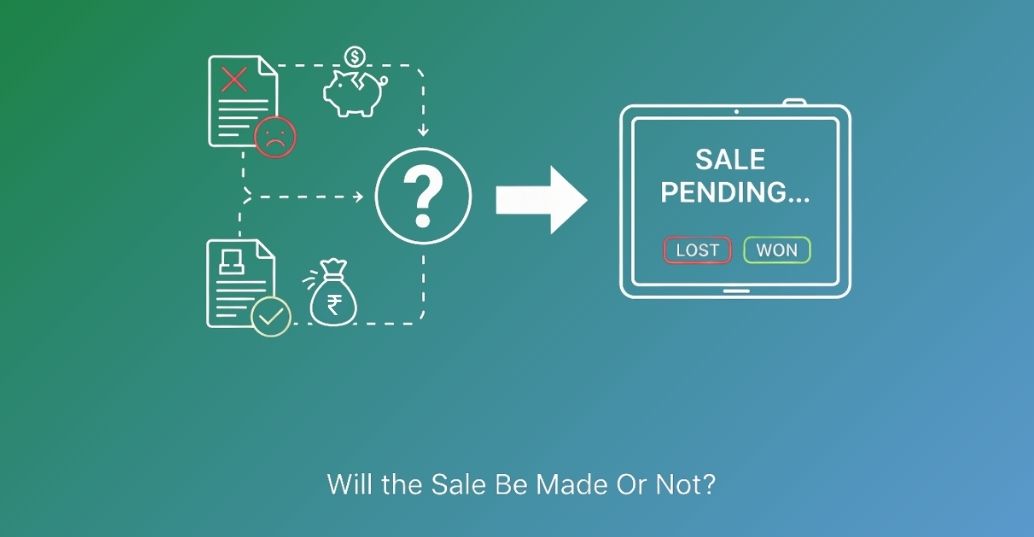
    4. Tracking every Quotation

    Knowing what happened to each quotation helps in reigning in the businesses many-folds. The gap of not knowing what happened to the quotation is business loss.

    Tracking quotations helps in:

    • a) Following up at the right time
    • b) Identifying the pricing
    • c) Tracking customer behavior
    • d) Measuring sales team efficiency
    • e) Closing deals faster

    5. Follow-up But Don’t Intrude

    Sending a quote and waiting silently is not the right way, but calling up too often or following up too closely may also annoy the potential clients.

    The best practice is to:

    • a) Send a gentle follow-up in 2-3 days with the reference number and other details clearly mentioned.
    • b) Also asking if they need any clarifications or modifications.
    • c) Following up on the customer-designated date and time
    • d) Building a rapport doesn’t hurt in the longer run
    blog-img-1
    blog-img-1

    6. Define Quotation Validity Clearly

    Prices change and quotes fluctuate. This is often not considered by small business owners. Such negligence either leads to loss in business or the loss of a potential client that could have been avoided has the details been mentioned clearly.
    Mentioning the validity date or period protects margins and avoid discrepancies later.

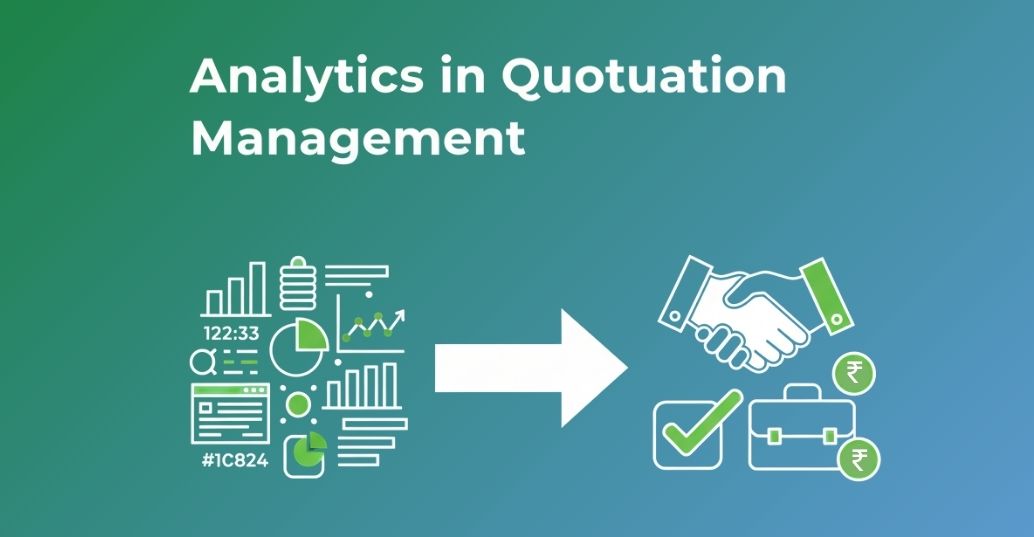
    7. Learn From Past Quotation Data

    Your past quotations are goldmines of business insights. Reviewing them frequently can help you.

    • a) Understand your products/ services better – what converts most, which one doesn’t.
    • b) Understand the seasonal trends. So you can be better prepared next time.
    • c) Understand customer behavior – who takes quotation for rate comparison and who is actually interested.
    • d) Gauge your team’s efficiency.
    blog-img-1
    blog-img-1

    8. Take Help of Technology where it Makes Sense

    A small business may not need to invest in a high-end business software. But depending solely on manual systems may not be the best idea too. A quotation management software like QuoteMan can

    • a) Help you in reducing manual errors
    • b) Store, track and manage your quotes centrally
    • c) Auto-generate professional quotes

    The right tool saves time, improves accuracy, and allows small business owners to focus on growing their business rather than chasing endless paperwork.

    Conclusion

    A Quotation Management Software is not just another software. It is a sales enablement engine. It is the foundation to a long lasting and fruitful client relationship. If managed the right way, it crates clarity, builds trust, and increases the conversion rate. For small businesses, these are healthy practices to bring into routine early on to prevent chaos and loss of business. It is true, that every quotation that you send is a part of a bigger story. So it is important to share the snippets right.

    If you think about it, a Quotation Management System is not a luxury, but a necessity, and in the long run, it’s more economical and beneficial to have it on board.

    Calculate the cost now!
    Like it? Click here to register for our free demo.

    Read Other Blogs

    QuoteMan Demo

    Top 5 Features to Look for in a Quotation Management Software

    1st December 2025

    The business landscape is evolving faster than ever. Today, speed...

    Read more
    QuoteMan Demo

    Streamlining Your Workflow- How Quotation Management Software Boosts Efficiency?

    19th September 2025

    Managing quotes and Performa Invoices is a tricky affair...

    Read more
    QuoteMan Demo

    Scaling Up: How Quotation Management Software Supports Business Expansion

    4th July 2025

    Quotation management software is a tool that every small...

    Read more
    QuoteMan Demo

    Mastering Sales Quotes: Best Practices and Strategies with Quotation Software

    5th January 2025

    Making the right quote requires a combination of experience...

    Read more
    QuoteMan Demo

    Crunching Numbers, Closing Deals: The Role of Analytics in Quotation Management

    8th November 2024

    Quotation management is nothing short of a magic wand at your...

    Read more
    QuoteMan Demo

    Will the sale be made or not?

    26th July 2024

    If purchase is the brain of the business, then sales is definitely the heart of the business, because only sales can keep the business...

    Read more